Hobart Trenching Contractors
Call 00 000 0999Trenching in Hobart
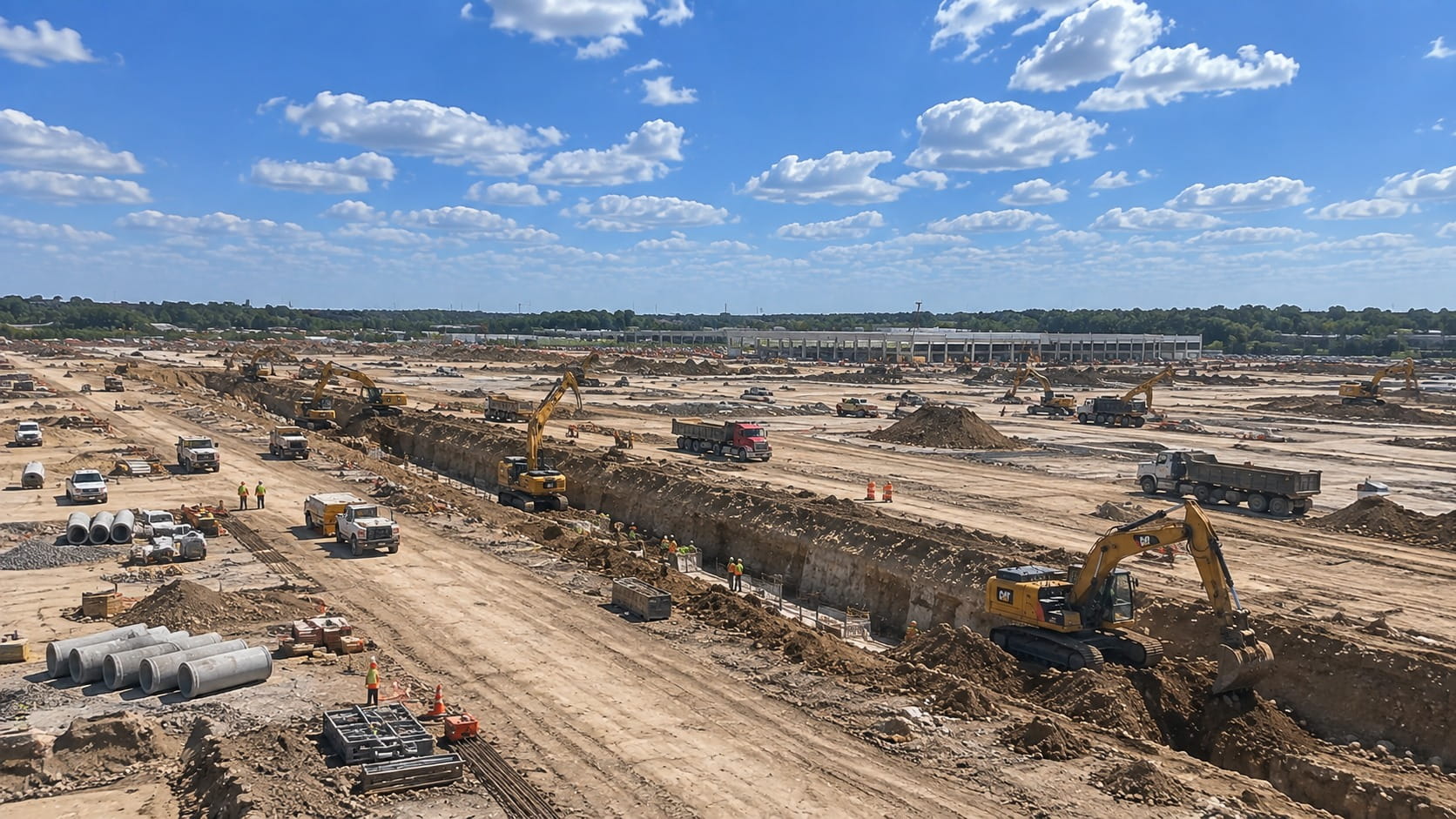
Trenches are essential for plumbing, electrical, drainage, irrigation and communications, and they need to be accurate and safe. Our trenching in Hobart service delivers clean, correctly sized trenches for residential, commercial and civil projects. Our company works with plumbers, electricians and builders, or directly with you, to make sure each trench meets the required depth, width and gradient for your project. You can expect neat, accurate trenches every single time.
You can rely on us to locate underground services, manage soil and rock carefully and keep your site safe throughout. Hobart's hilly terrain and varied soils can make trenching tricky, but our experienced operators have the machinery and know how to handle it. We backfill and compact to a high standard and tidy up when we have finished. Contact us today for a free quote and keep your project moving.
Trenching Services in Hobart
Plumbing and Drainage Trenches
Straight, correctly graded trenches for water, sewer and stormwater pipes, dug to the depth your plumber needs and backfilled to protect the lines. We follow the plumber's gradient requirements precisely, so water flows reliably and your pipes are properly supported.
Electrical and Data Trenches
Narrow, accurate trenches for power, internet and communication cables, with the depth and bedding required to meet standards and protect your services. Cables are laid in conduit with warning tape and trenches are backfilled so power and data stay safe.
Irrigation and Garden Trenching
Lines cut through lawns and beds for irrigation systems, with minimal disturbance to your garden and neat reinstatement once the pipes are installed. Narrow trenches are cut cleanly through lawn, and the turf is replaced so the area recovers quickly.
Rock and Hard Ground Trenching
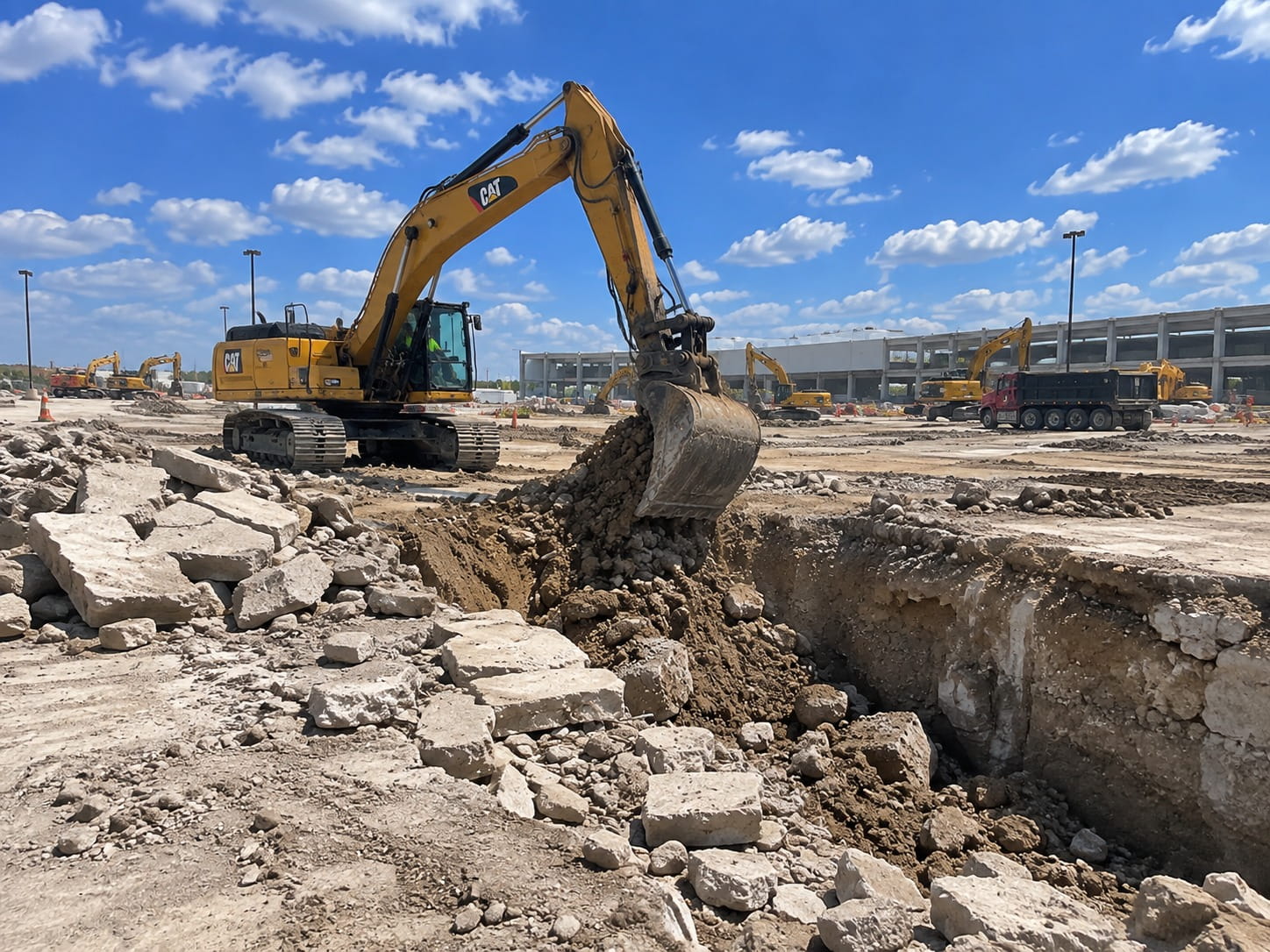
Specialised equipment for dolerite, shale and compacted clay, giving you consistent trenches on Hobart sites where standard methods struggle. Hobart sites often hit rock or hard clay below the surface, so we use rock saws and breakers to stay accurate.
Trenches for Footings and Retaining Walls
Dug to engineering specifications with straight sides and clean bases, ready for reinforcement and concrete, which helps footings inspect and pour without delay. Straight sides, a clean base and the specified depth let your engineer inspect and approve without delays.
Backfill, Compaction and Reinstatement
Trenches backfilled in layers and compacted to prevent settlement, then restored to match driveways, lawns or paving so there is no sign of the work. Layered compaction prevents settling, and the surface is then matched to the surrounding finish exactly.
Trenching Contractors Hobart: 3 Ways To Get Started
Trenches for plumbing, power or drainage need to be straight, accurate and safe. Our Hobart trenching team will help you get started with a clear plan.
- Share your requirements: Tell us the length, depth and what services will go in.
- Book a site visit: We check for rock, tree roots and underground services before quoting.
- Confirm the schedule: Coordinate with your plumber or electrician so the trench is ready when they are.
However you begin, you will deal directly with experienced operators who understand Hobart's hilly terrain and varied soils. We backfill and compact to a high standard and leave your site tidy. Straight sides, a clean base and the right depth help your plumber or electrician work faster. Call us today for a free quote on your trenching job.
Why Choose Our Hobart Trenching Experts
Accurate Falls Every Run
Drainage relies on consistent fall. We set grades with a level, not by eye, and confirm them before backfilling, because reopening a trench costs far more than getting it right the first time.
Services Checked Along The Route
A trench crosses everything in its path, which makes it the riskiest kind of digging. We check Before You Dig Australia plans for the full run and hand expose known services wherever the trench crosses them.
Depths That Meet Standards
Water, power, telecommunications and sewer each have required cover depths under Australian Standards and local rules, so future digging does not strike them. We lay services to those depths, not whatever is easiest.
Layered Backfill Compaction
Loosely filled trenches sink, leaving a visible groove across lawns and driveways within months. Compacting backfill in layers takes more time on the day and keeps the surface level for the long term.
Safe Trenches In Clay Ground
Deep trenches in clay and wet ground can collapse suddenly. We batter, bench or shore according to depth and soil conditions, and never leave open trenches unguarded where family, pets or visitors may walk.
Surfaces Restored Neatly
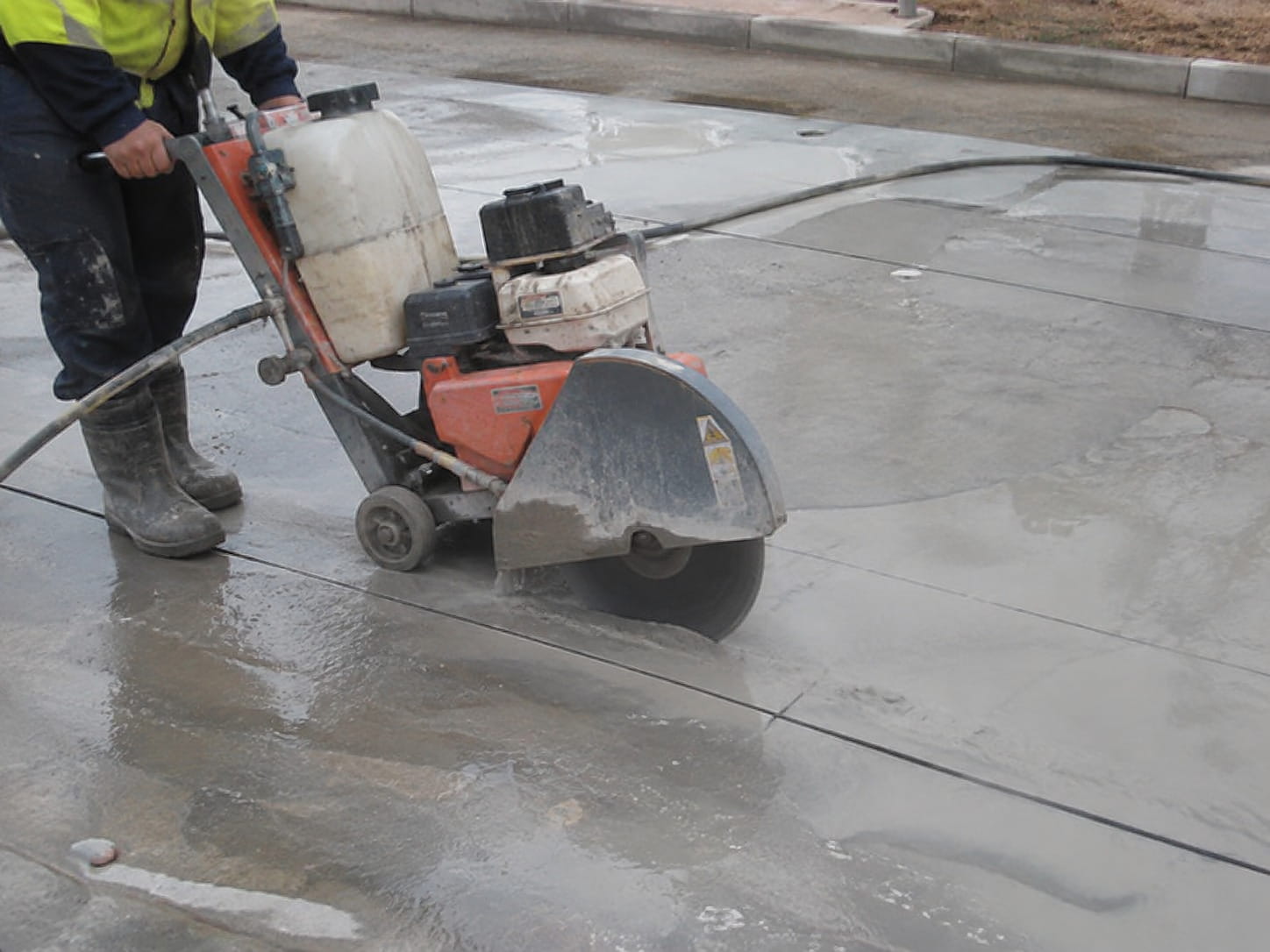
Concrete and paving are saw cut cleanly, spoil is kept off surrounding areas, and the surface is reinstated with concrete, pavers or turf so the trench line is hard to spot once we are done.
Concrete Works in Hobart





Trenching FAQs
Common questions about trenching in Hobart — required depths, avoiding buried services, why trench lines reappear in a lawn, and crossing a driveway.
It depends on what is going in it. Stormwater and sewer lines are governed by the fall they need, so they get progressively deeper along their length. Water supply lines need enough cover to protect them from surface loads and frost, while underground power and communications have minimum cover depths set by the relevant standards and network operators, usually with warning tape above. A licensed plumber or electrician will often specify the depth for their part of the job. Those requirements exist to protect the service from the next person digging, so we work to them rather than to whatever is quickest.
Our aim is to make sure it does not happen. Trenching carries more risk than most digging because a trench travels and crosses whatever lies in its path, so before starting we lodge a Before You Dig Australia (BYDA) request and establish what runs along and across the route. At any known crossing we expose the line by hand before machinery goes near it. BYDA plans do not show private pipes and cables, so if you know of anything — an old irrigation line, power run to a shed, an unrecorded stormwater pipe — tell us at the site visit. That local knowledge is often better than any plan.
Not if the backfill is compacted properly, and that is the whole issue. Soil returned loose into a trench consolidates over the following months, especially after a wet Hobart winter, and the result is a visible sunken line across your lawn or driveway. Compacting in layers as we backfill prevents it, and under driveways or paving we generally backfill with crushed rock or road base rather than the dug clay. That matters more under hard surfaces, because a settling trench takes the surface above it down too. It is unglamorous work that adds time on the day and saves a repair later.
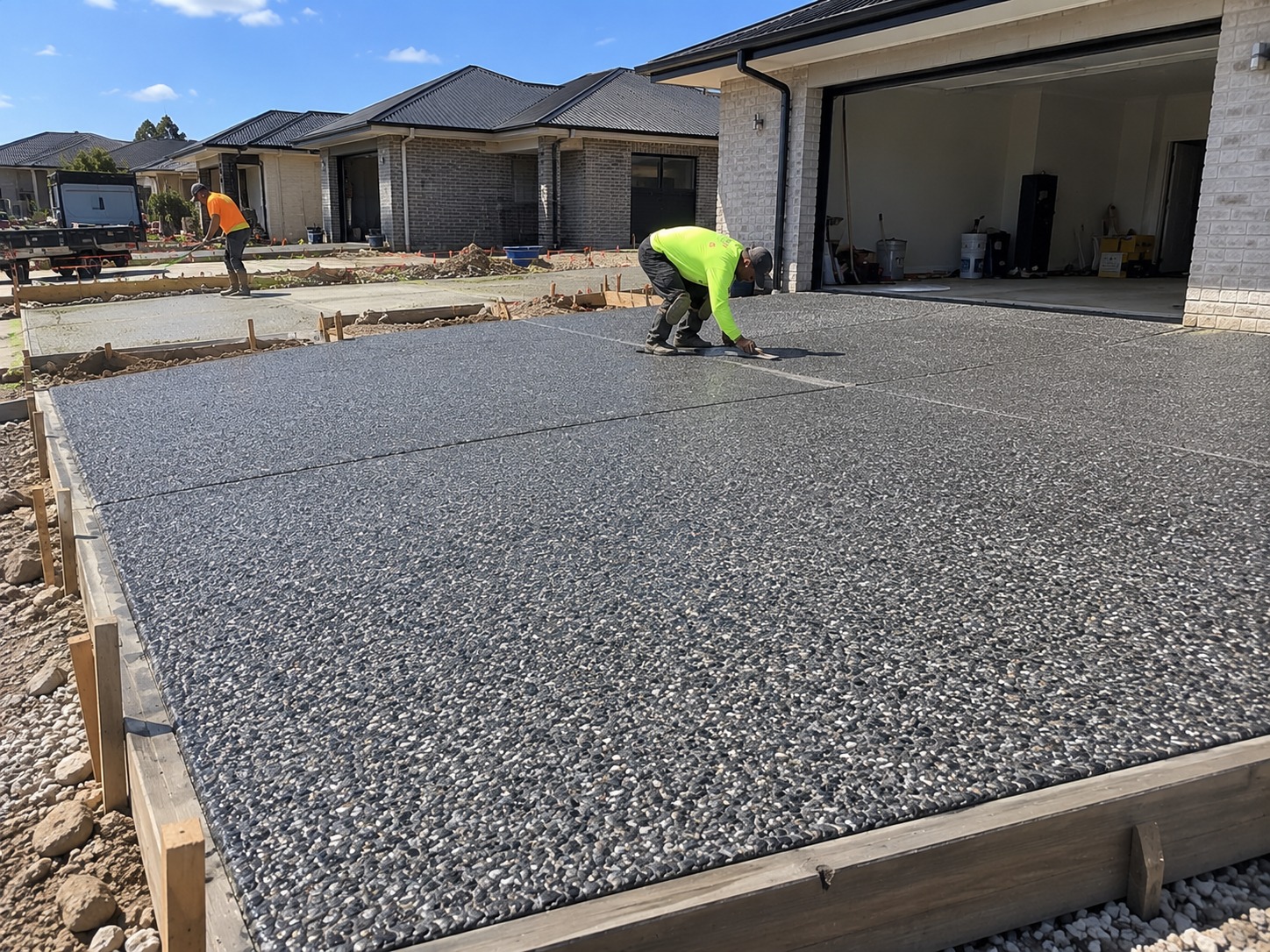
Yes, and it is a common part of the job since services often have to cross one. We saw-cut the concrete cleanly rather than breaking it out roughly, which gives a sound edge for reinstatement and keeps the repair as neat as possible. The trench is then backfilled with compacted road base and the section is repoured, with the reinforcement tied in where appropriate. Be realistic about appearance: new concrete never matches weathered concrete straight away, so the repair will be visible for a year or two. Where that matters, resurfacing the whole driveway afterwards evens it out.
It is priced on length, depth, ground conditions and access, so we quote after walking the route. Soft ground trenches quickly, clay is slower, and Hobart's dolerite or sandstone can slow things right down and sometimes needs a rock breaker or trencher with rock teeth. Depth adds cost faster than length, because deeper trenches need benching, battering or shoring to be safe to work in. Crossing concrete or paving adds cutting and reinstatement, steep or narrow sites may need smaller machines, and spoil that cannot stay on site carries cartage and tip fees. We quote against what is actually there.
Other services you might need
Got a run that needs trenching?
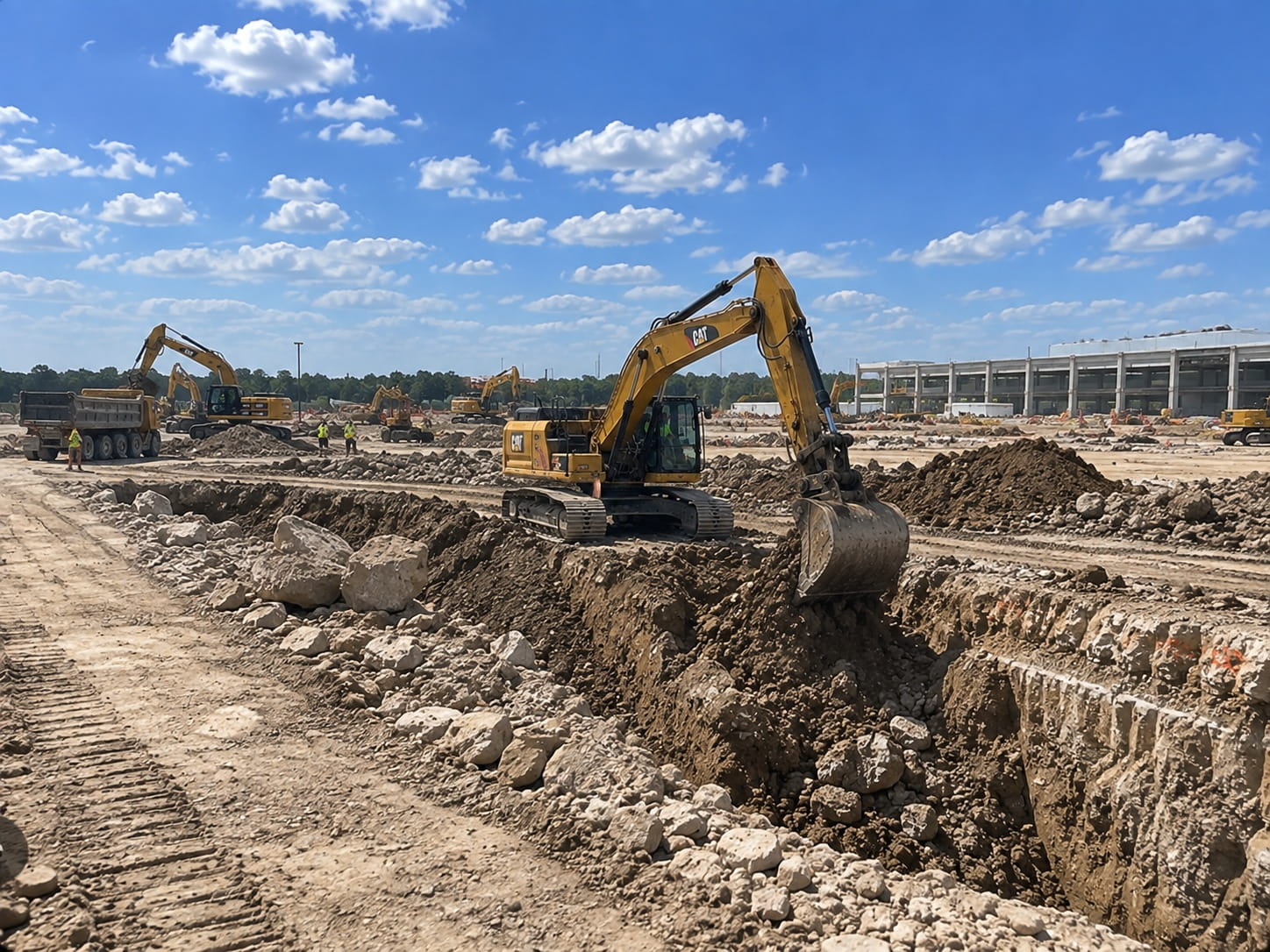
Tell us where it starts and ends, and what is going in it.