Hobart pavers
Call 00 000 0999Concrete Pavers in Hobart
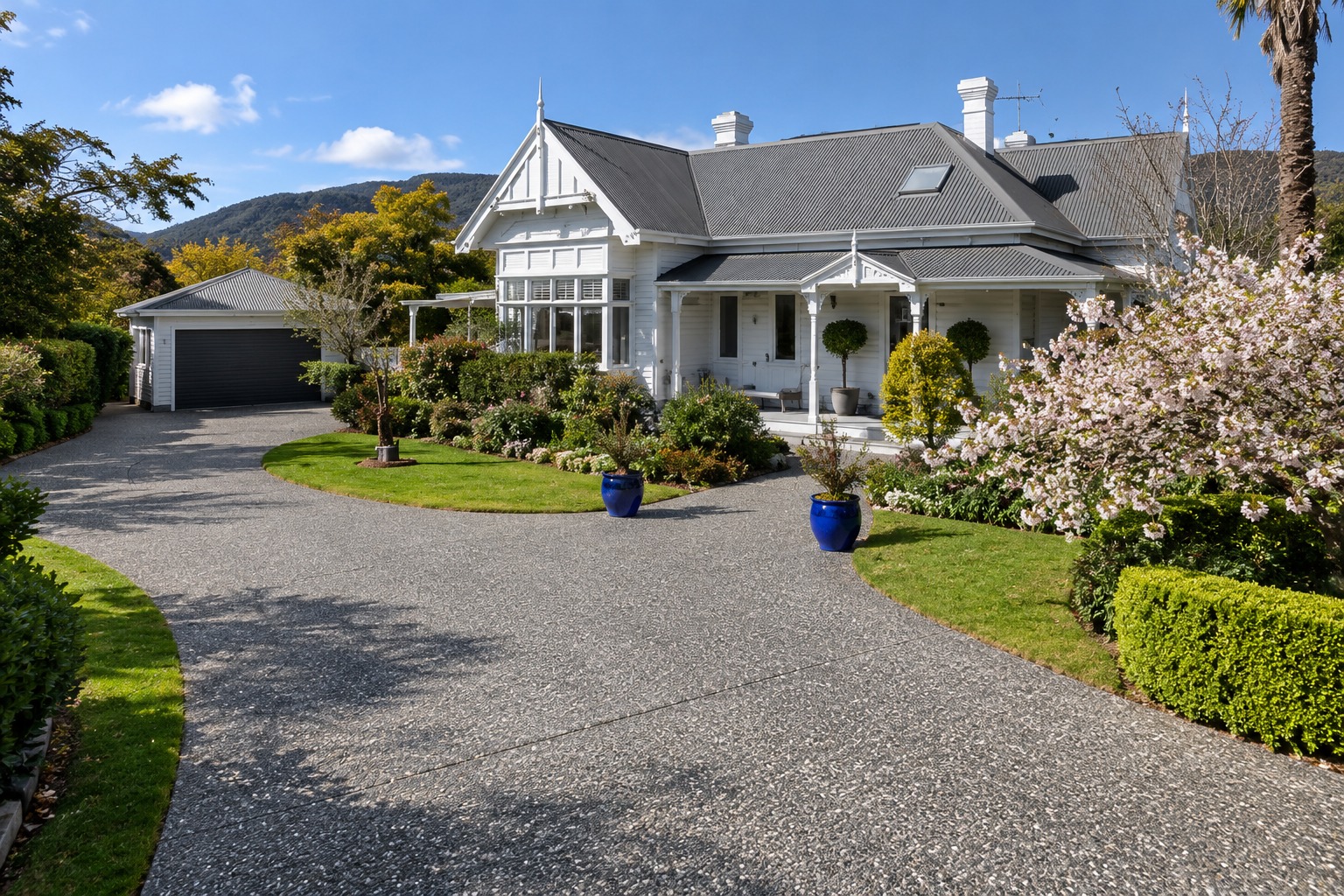
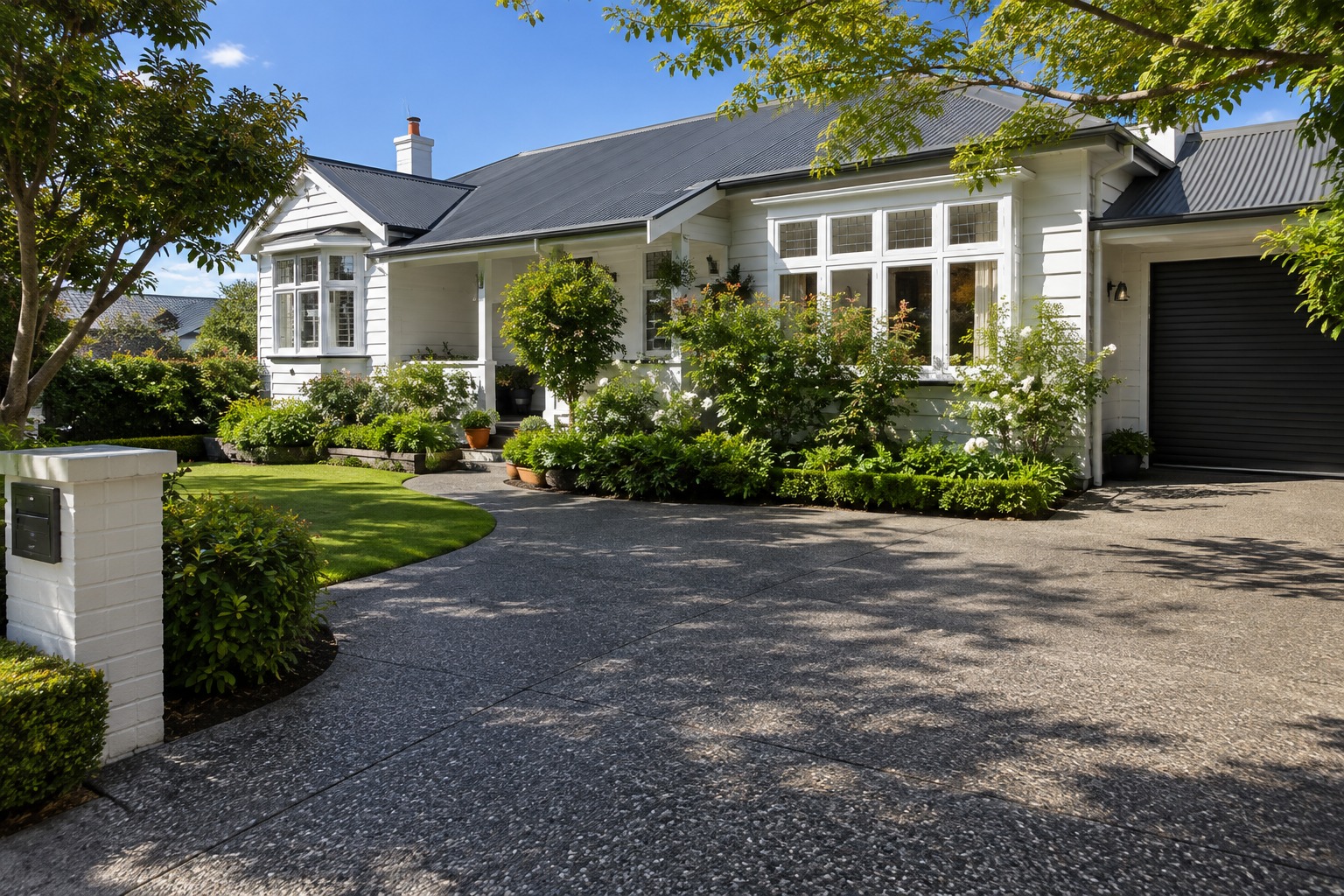
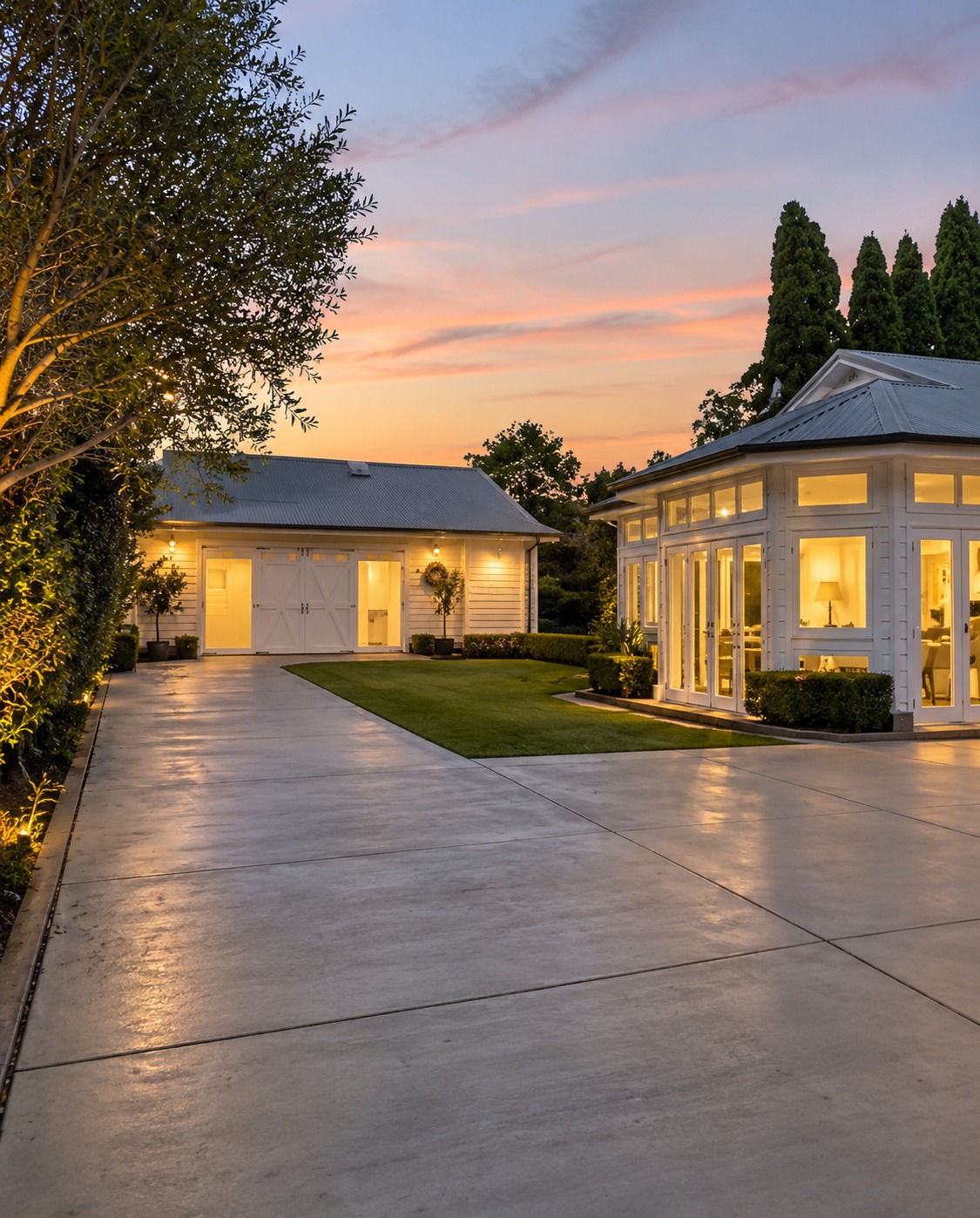
Concrete pavers add warmth, style and practicality to outdoor spaces, and they suit Hobart's mix of heritage cottages and modern homes beautifully. Our concrete pavers in Hobart are installed with care and precision, giving your driveway, courtyard or entertaining area a sturdy surface that looks fantastic year after year. Our company happily helps you choose colours, shapes and patterns that complement your home and make the most of your property.
A great paved surface starts below the surface, so we focus on excavation, compaction and a properly levelled base. That keeps your pavers flat and stable, even through Tasmania's wet winters and frosts. We cut and lay each paver carefully, finish the edges neatly and clean up when we are done. You will enjoy a beautiful outdoor space you are proud of. Contact us today to arrange your free quote.
Concrete Pavers Installation in Hobart
Paved Driveways and Entrances
Interlocking pavers laid over a compacted base and bedding sand, creating a driveway that suits older Hobart homes and modern builds while spreading vehicle weight evenly across the surface. Individual pavers can be lifted if services ever need access later.
Courtyards and Entertaining Areas
Outdoor living spaces paved in colours and patterns that match your house, designed with gentle falls for drainage and sized for tables, barbecues and plenty of guests. We set a slight fall and edge restraints so the paving stays put.
Pool Surrounds and Walkways
Slip resistant pavers around pools and along garden paths, selected to stay cooler in summer sun and provide reliable grip when your family is walking barefoot. Textured pavers and lighter colours keep surfaces grippy and comfortable on hot summer days.
Paver Repairs and Relaying
Sunken, loose or stained pavers lifted, the base corrected and the surface relaid, so your existing paving looks level and tidy again without replacing everything. We reset the base, add bedding sand and relay your pavers so they stay level.
Cutting, Edging and Pattern Work
Precise cuts, restrained edges and patterns such as herringbone and basket weave that hold the paving together, resist movement and give the finished area a considered, professional appearance. The right pattern helps your pavers lock together and handle vehicle loads.
Paver Sealing and Protection
Cleaning and sealing that lifts the colour, reduces moss and weed growth in joints and makes everyday maintenance easier, especially in shaded or damp parts of your Hobart garden. A good sealer makes it easier to keep paving looking fresh.
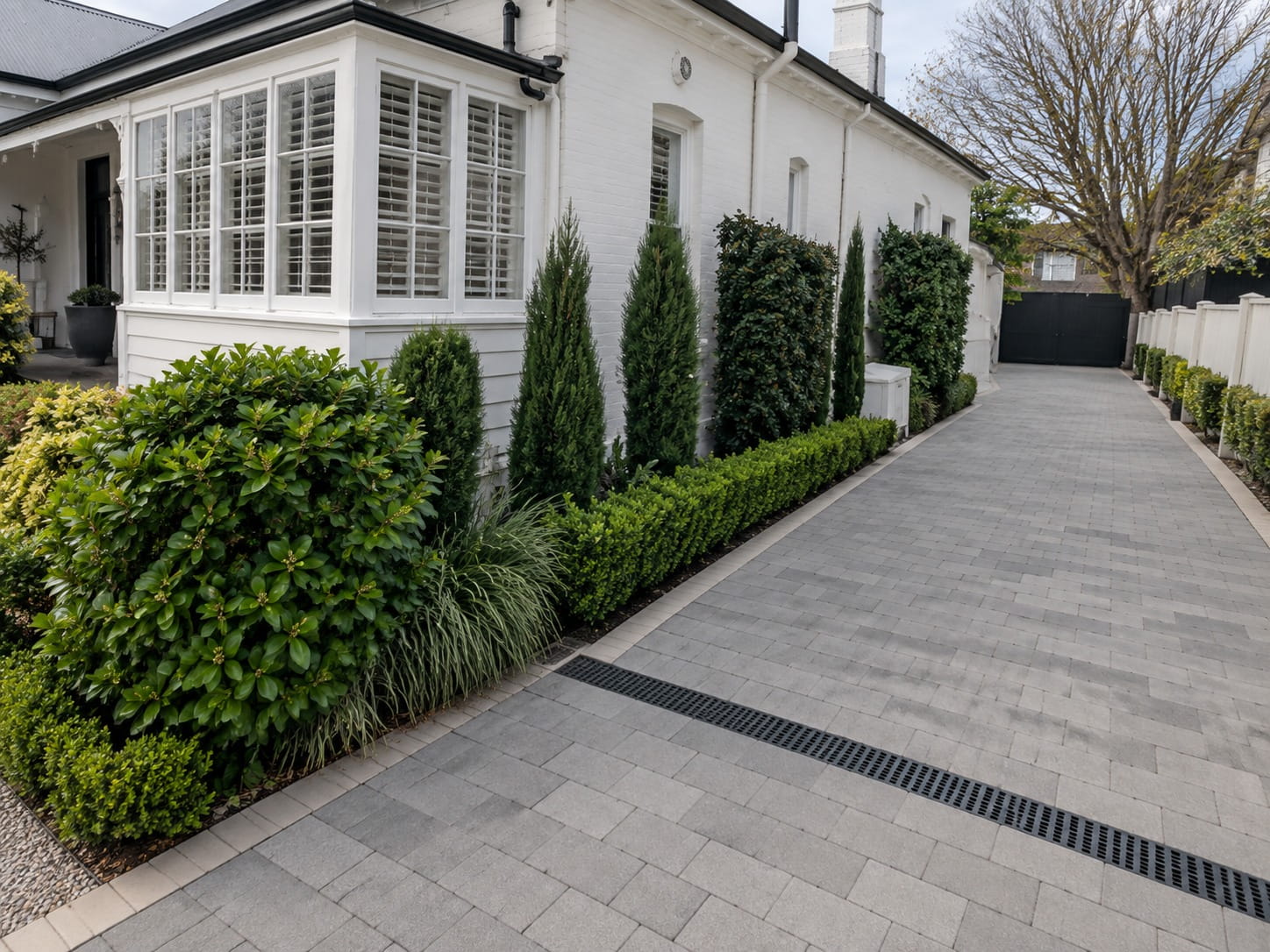
Concrete Pavers Contractors Hobart: 3 Ways To Get Started
Paving can transform a driveway, courtyard or entertaining area. Our Hobart concrete pavers team makes planning easy, from choosing colours and patterns to preparing a base that stays level.
- Share your ideas: Send photos, measurements or inspiration pictures and we will suggest paver shapes, colours and layouts.
- Book a site visit: We assess levels, drainage and access so your pavers are installed on a solid, properly compacted base.
- Request a quote: Receive a clear price covering excavation, base, laying, cutting and clean up.
Whichever way you begin, you will deal directly with experienced installers who understand Hobart's sloping blocks, wet winters and heritage streetscapes. We take pride in neat edges, level surfaces and a clean site when we finish. Expect honest advice throughout. Call us today for a free quote.
Why Choose Our Hobart Paving Experts
They Move With The Ground
On reactive clay a single slab cracks where pavers simply shift fractionally and settle again. That flexibility is a genuine engineering advantage here, not a compromise.
Individually Replaceable
Crack or stain one paver and it lifts out and is replaced. A damaged concrete slab means cutting, patching and a visible repair that never quite matches.
Usable Almost Immediately
No curing period. Once the pavers are laid, compacted and jointed the surface takes traffic, which matters on a rental or a business that cannot close.
Easy To Alter Later
Adding a path, widening a drive or running a new service underneath means lifting pavers and relaying them, rather than saw-cutting and repouring concrete.
Wide Choice Of Look
Formats, colours and laying patterns from formal herringbone through to irregular natural-look stepping. More visual range than a poured surface offers.
Permeable Options
Permeable paving lets water through the surface rather than shedding it, which can help considerably on a site where runoff is already a problem.
Why Ours Stay Put
Solid Preparation Underneath
Nearly every paving problem traces back to a weak base. We dig out to the right depth, compact base course in thin layers and screed an even bedding course, so the surface stays flat for the long haul.
Edges Locked In Place
Unrestrained paving slowly spreads under foot and vehicle traffic until gaps open and units shift. We fit solid edge restraints along every run, a step that's easy to skip and costly to leave out.
Levels Set To Shed Rain
Wet Hobart winters will find any low spot. We set falls before laying begins so rain runs off the surface instead of soaking through and softening the clay beneath the bedding layer.
Joints Filled And Compacted
Properly filled joints are what make pavers act as one interlocking surface. We sweep in the correct jointing sand and compact it home, so units don't rock loose or let weeds take hold.
Tidy Cuts Around Every Edge
Borders, curves, drains and pipes are where rushed paving gives itself away. We make clean cuts on site with proper saws, so the edges look as deliberate as the main pattern.
Upfront On Pavers Or Concrete
Pavers suit plenty of jobs, but not all of them. Where a surface will carry heavy parked vehicles or machinery, a poured slab often performs better, and we'll tell you so plainly.
Concrete Works in Hobart
Concrete Paver FAQs
Common questions about paving in Hobart — pavers against poured concrete, weeds in joints, settling, vehicle loads, and how long a paved drive takes.
The honest answer depends on the site. Pavers win where the ground moves, since they flex rather than crack, and on Hobart's reactive clay that's a real advantage. They also win where you may need to access services underneath, where you want the surface usable immediately, and where being able to replace a single damaged unit matters. Poured concrete wins where loads are heavy and static, where you want a continuous surface with no joints to maintain, and generally on cost for large plain areas. We'll look at your block and tell you which suits it.
Some, over time, and it's the most common gripe about paving — though it's largely manageable. Weeds mostly germinate in debris and moss that builds up in the joints rather than growing up from below, and shaded, damp spots through a Hobart winter are where you'll notice it first. The answer is keeping joints properly filled and compacted, and sweeping the surface occasionally. Polymeric jointing sand, which sets firm once wetted, reduces the problem substantially compared with plain sand. No paved surface is weed-free forever, but a well-jointed one needs very little attention.
Not if the base is right, and if they do sink the base is why. Pavers rest on a compacted crushed rock or road base with a thin bedding layer, and if that base was inadequately compacted or has been undermined by water it will consolidate under traffic and the surface follows. Reactive clay below makes good drainage and base depth even more important. The good news is that relaying is straightforward: lift the affected units, correct and recompact the base, screed and relay. That's a considerable advantage over a concrete slab that has settled, where the real remedy is breaking it out.
Yes, provided the units and the base are specified for it. Driveway pavers are thicker than those used for patios, and the base beneath needs greater depth and compaction to spread vehicle loading. Edge restraint matters even more under traffic, since vehicles push the surface outward at the perimeter, and on a sloping drive it also stops the paving creeping downhill. The laying pattern contributes too — herringbone interlocks far better under turning and braking forces than a stack bond. If a delivery truck, ute and trailer or caravan will use the drive, tell us at quoting so we specify accordingly.
Usually comparable to a concrete drive on site, sometimes a little longer because laying is more labour-intensive than pouring. The significant difference is at the end: there's no curing period, so the surface takes traffic as soon as the jointing is compacted rather than after seven days. That can be decisive for a rental property or a business. Paving is also less affected by cold weather than a concrete pour, though heavy rain can still hold up base preparation. Steep blocks or tight access in older suburbs can add time, and we'll factor that into your timeline at quoting.
Other services you might need
Want a quote within 24 hours?
Tell us the area and we will bring paver samples to look at on site.